In high-end commercial interiors, bespoke cabinetry, and architectural joinery, selecting decorative panels based solely on surface aesthetics is a common pitfall in international procurement. A board sample may look flawless on a mood board, yet fail during CNC routing, edge-banding, or final on-site installation if core engineering parameters are overlooked. For procurement managers, furniture manufacturers, and project engineers, establishing clear decorative board specifications early in the sourcing cycle is essential for mitigating quality claims and costly delivery delays.
Nearkudos, founded in 1995 as an integrated manufacturing and trading enterprise, specializes in premium decorative and construction-grade board materials. Drawing from decades of industrial experience, this guide outlines the critical technical parameters global buyers must systematically verify before finalizing purchase orders for wood-based board materials.
1. Substrate Selection: Aligning Core Performance with Project Requirements
The foundation of every decorative panel is its core substrate. The choice of core material determines structural integrity, screw-holding strength, machining behavior, and moisture response. When compiling your furniture board specifications, evaluate core options against actual application scenarios:
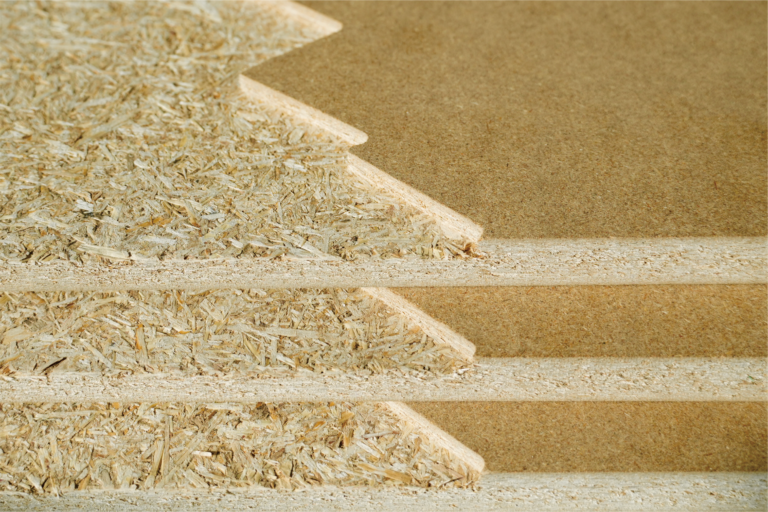
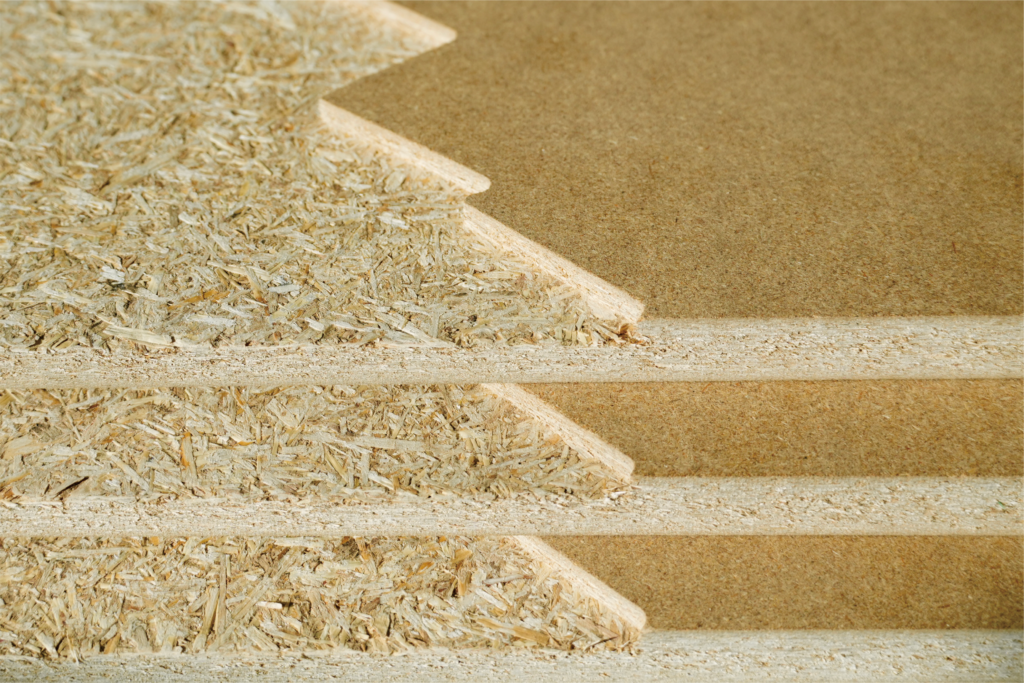
- FOSB / OSB Panels: Engineered for balanced dimensional stability and structural resilience. When specified with decorative facings or used in modern interiors, oriented strand structures offer high load-bearing capacity and strong resistance to bowing across tall cabinet doors and wall paneling.
- Birch Boards: Renowned for uniform multi-ply cross-lamination, tight core layers, and exceptional edge-finishing capability. Birch cores are ideal for high-precision CNC machining, exposed edge aesthetics, and heavy-duty commercial joinery.
- Rubber Wood Core Boards: Offering high internal bond strength and solid-wood-like density, rubber wood core panels are widely preferred for solid furniture components, structural frames, and applications demanding reliable screw retention and stability.
Global buyers should never evaluate core options in isolation; always require technical data sheets confirming core construction and density profiles relevant to the project environment.
2. Key Dimensions and Thickness Tolerances in Decorative Board Specifications
Dimensional accuracy is critical in custom furniture manufacturing and modular millwork assembly. Minor variations in board thickness can lead to uneven edge-banding lines, misaligned cabinet reveals, and machining errors on automated nesting lines.
When documenting decorative board specifications for furniture projects, specify precise parameters:
- Nominal Thickness vs. Calibrated Thickness: Standard commercial tolerances (e.g., ±0.5 mm) may be acceptable for basic rough carpentry, but precision millwork requires calibrated sanded tolerances (e.g., ±0.2 mm to ±0.3 mm).
- Panel Squareness and Diagonal Variance: For standard panel formats (such as 1220 × 2440 mm or 1220 × 2800 mm), verify that diagonal differences do not exceed project limits to prevent cumulative assembly deviations.
- Moisture Content Equilibrium: Confirm target moisture content (typically 6%–12% depending on destination climate) to minimize the risk of warping, delamination, or seasonal shrinkage during shipping and subsequent indoor conditioning.
3. Surface Properties, Texture, and Balancing Technology
The visual and tactile appeal of custom millwork panels depends heavily on surface overlay technology and backing balance. Whether utilizing natural wood veneers, engineered veneers, decorative paper overlays, or specialized coatings, buyers must clarify:
- Surface Grade and Grain Orientation: Specify longitudinal vs. cross-grain orientation, book-matched or slip-matched patterns, and allowable natural characteristics.
- Balancing Sheet (Backer) Matching: To prevent unbalanced internal stress and board warping—especially in tall wardrobe doors and suspended partition panels—ensure the backing layer possesses equivalent tension and moisture-absorption characteristics to the decorative face.
- Surface Resistance Parameters: Depending on whether the panel serves as a vertical wall panel or a high-wear horizontal tabletop, identify required resistance to scratching, surface staining, and color fading.
4. Machining Compatibility and Edge-Banding Considerations
A complete specification sheet accounts for how the board behaves across factory machining workflows:
- CNC Cutting and Routing Cleanliness: High-quality decorative boards should allow clean, chip-free cutting on both face and reverse surfaces without chipping delicate decorative overlays.
- Internal Voids and Core Integrity: For panels requiring decorative routing or grooving, verify that the substrate minimizes internal voids, ensuring uniform edge density.
- Edge-Banding Adhesion: Specify matching ABS, PVC, or wood veneer edge strips, confirming compatibility with PUR or EVA adhesive bonding protocols.
5. Building a Robust Board Supplier Quality Checklist
To eliminate ambiguity between design teams, procurement specialists, and manufacturing facilities, implement this standardized decorative panel supplier quality checklist before contract execution:
- Substrate & Dimensions: Core species (FOSB, Birch, Rubber Wood), nominal dimensions, thickness calibration tolerance, and diagonal limits.
- Surface & Aesthetic: Overlay type, texture code, grain direction, backing sheet specifications, and color consistency criteria.
- Physical & Mechanical: Density range, internal bond strength, screw-holding capacity, and equilibrium moisture content.
- Machining & Processing: CNC tooling compatibility, edge-banding recommendations, and allowable groove depths.
- Packaging & Logistics: Moisture-barrier wrapping, edge protection corner guards, reinforced export pallet strapping, and container loading plan.
- Documentation & Sampling: Pre-production golden sample sign-off, mill inspection batch reports, and dispatch verification checklists.
Frequently Asked Questions (FAQ)
Q1: Why is thickness calibration so critical for custom millwork panels?
In automated furniture production, even a 0.3 mm discrepancy across adjacent panels results in visible joint steps, uneven edge-banding trimming, and misaligned hardware installations, significantly increasing manual finishing labor.
Q2: How can buyers prevent panel warping in tall wardrobe and wall panel applications?
Panel warping is primarily caused by unbalanced surface tension and fluctuating moisture content. Specifying a properly balanced backer sheet, choosing structurally stable cores such as FOSB or multi-ply birch, and maintaining controlled moisture equilibrium are vital preventive measures.
Q3: What is the recommended procedure for approving decorative board specifications before mass production?
Global buyers should establish a three-step verification process: (1) Review comprehensive technical data sheets; (2) Sign off on physical golden samples under standardized lighting; (3) Conduct trial machining (cutting, edging, and drilling) on pilot samples prior to container-load dispatch.
Q4: Can FOSB/OSB, birch boards, and rubber wood core boards be used interchangeably?
No. Each substrate exhibits distinct physical density, weight, edge characteristics, and screw-holding behaviors. Selection must be based strictly on project drawings, load-bearing requirements, and exposed edge design intents.
Partner with Nearkudos for Your Custom Board Requirements
Clear technical specifications are the bridge between creative architectural design and flawless project delivery. By defining substrate properties, dimensional tolerances, surface expectations, and packaging protocols upfront, international buyers can achieve consistent quality across every batch.
Nearkudos combines thirty years of manufacturing expertise with an agile global trading service. Whether your upcoming project requires high-performance FOSB/OSB panels, precision birch boards, solid rubber wood core substrates, or customized decorative board solutions, our technical team is ready to support your specification development and material verification.
CTA: Contact Nearkudos today to request technical product details, submit your project specification sheet, and arrange verified material samples.
Source Note: This guide is prepared based on general international wood-based panel procurement frameworks and Nearkudos’ established product portfolio (FOSB/OSB, Birch Boards, Rubber Wood Core Boards, Decorative Board Materials). Final project suitability, mechanical parameters, and custom dimensions must be formally validated against project architectural drawings and Nearkudos’ current official technical documentation before purchase.
#Nearkudos #EUDR #Traceability #WoodPanels #BoardMaterials #BuildingMaterials #SustainableSourcing #SupplyChain #EuropeanMarket